You Can Still Understand the Machine
There's a nostalgia among people who grew up with early personal computers — the Commodore 64, the Apple II, the TRS-80 — for the time when you could understand everything about your machine. The CPU had a few thousand transistors. The memory map fit on a single page. You could trace the flow of electricity from keystroke to screen pixel and predict exactly what would happen. You owned the whole thing, top to bottom.
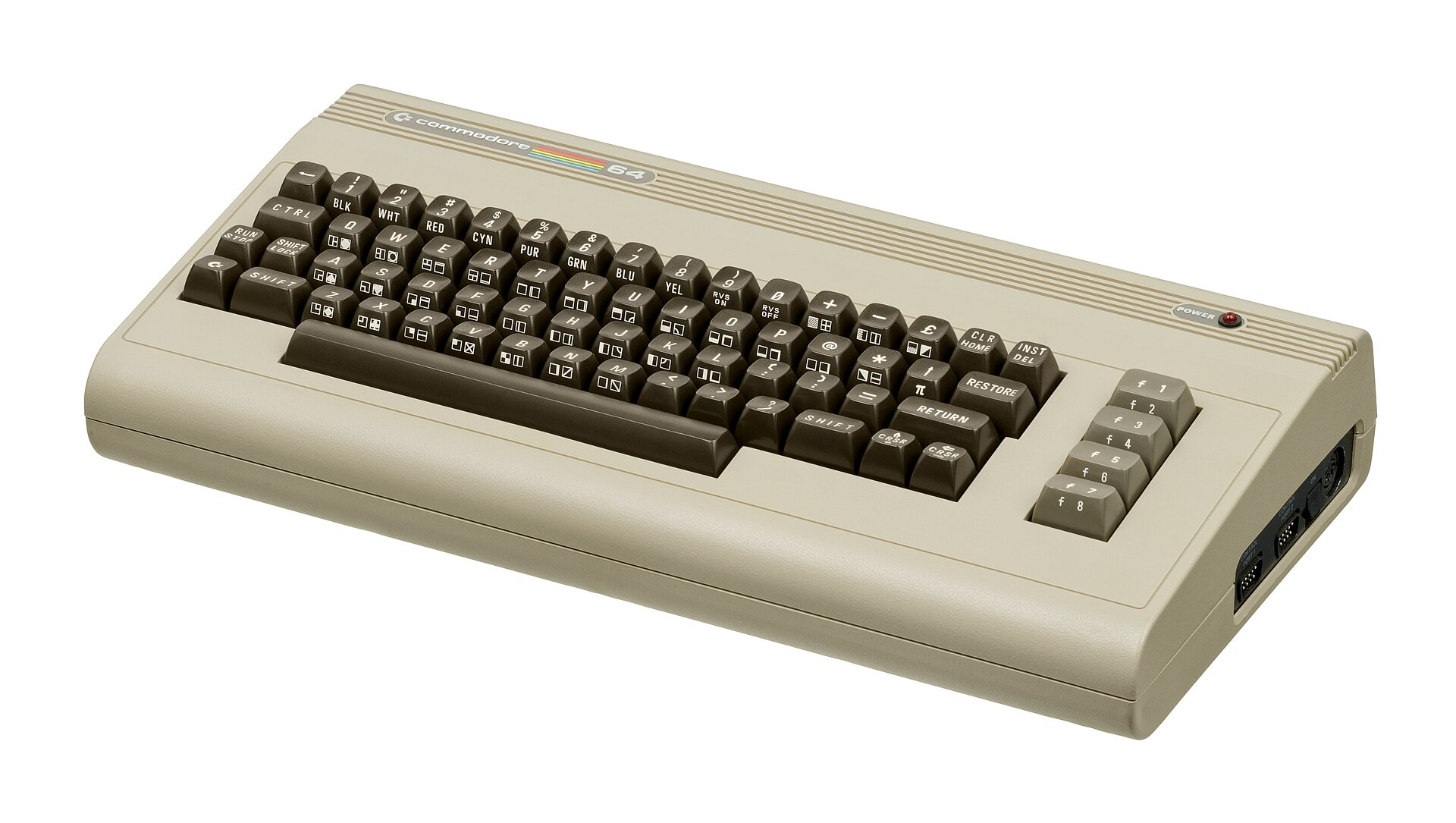 Evan-Amos, CC BY-SA 4.0, via Wikimedia Commons
Modern AI systems don't offer that same feeling of total mastery. But they're more understandable than most people assume — if you stop trying to grasp the whole thing at once.
The trick is to peel it apart, one layer at a time. Start at the top — the software system you interact with — and work your way down through the reasoning strategy, the language model, the network architecture, and finally the individual neuron. At each layer, the math is straightforward and the ideas are concrete. And somewhere on the way down, the thing that felt like digital alchemy starts to look like what it actually is: simple mathematical operations, repeated at extraordinary scale.